
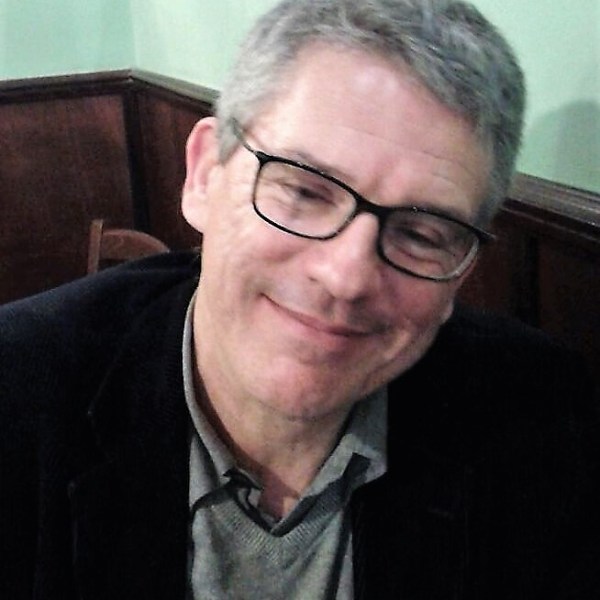
Daniele Guastini
Daniele Guastini is Full Professor of Aesthetics at Philosophy Department,…
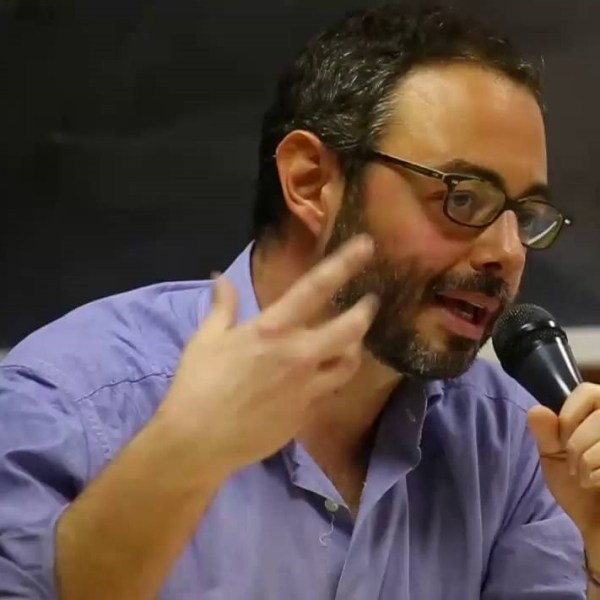
Dario Cecchi
Dario Cecchi teaches Aesthetics at Sapienza University of Rome, where…
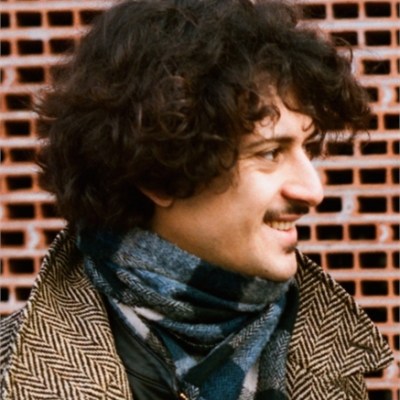
Francesco Restuccia
Francesco Emilio Restuccia is a Postdoctoral Fellow in Aesthetics at…

Marta Reichlin
Marta Reichlin ha conseguito il titolo di dottore di ricerca…
.
Sapienza Unit will deal with reconstructing the genealogy of the relationship between representation and therapy. It will underline, on the one hand, how their separation is the result of a historically defined conception of aesthetics, meaning that a different conception does not imply such separation. On the other hand, the project will try to identify the ancient modalities of this relationship that may prove relevant today. More precisely, the unit aims to give a comprehensive account of the relationship between mimesis and therapeia from antiquity to the renaissance; to analyze the causes of the crisis of this relationship in the modern age; to study the reasons why a new relationship between aesthetics and therapy might have emerged in the last century. Starting from Hegel, many have taken into account the seriousness of poetic and figurative arts in ancient times. The Unit will retrace the history of this seriousness insomuch as it concerns a therapeutic dimension. This recognition will have to consider the transformation of the concepts of mimesis and representation and follow the corresponding changes in the way poetic and figurative arts achieved their therapeutic effect, from classical Greece, through early Christianity, to the Middle Ages and the Renaissance.
Part of the investigation will be dedicated to the crisis of the relationship between representation and therapy in the modern age, discussing its causes and its possible correlation with the separation of natural sciences from humanities, as well as the detachment of arts from religion. Far from intending to return to a pre-modern conception of the role of the arts, this genealogical research aims to provide the conceptual tools for a new aesthetics that might help to bridge the gap between medical science, arts and humanities, restoring digital technologies to a vivifying and positive function, which is even more urgent in a context where these technologies are often misused.
 Aesthetics and Therapeia